
Introduction
Buying a beautiful gemstone is an investment in beauty and a connection to the Earth’s natural wonders. But with so many synthetic and lab grown stones on the market, how can you be sure your piece is genuine? At Silon Gems, we believe in complete transparency and want to empower you with the knowledge to shop with confidence.
The "Eye" Test: Understanding Inclusions
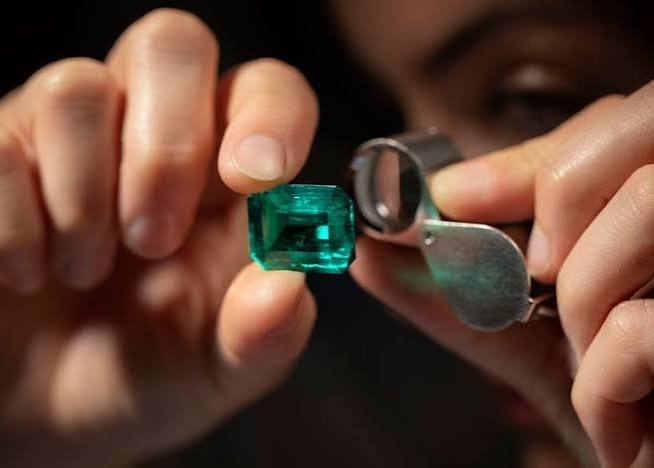
One of the most effective ways to identify a natural gemstone is by examining its interior under a bright light. Natural gemstones are born deep within the Earth over thousands or millions of years, and this intense process almost always leaves behind unique, microscopic marks known as "inclusions." Think of these inclusions as the "birthmarks of nature" they are not flaws, but rather distinct signatures that prove the stone is authentic and formed through natural geological processes.
In contrast, synthetic or lab-grown stones are created in controlled environments in a fraction of the time. Because of this artificial process, they often appear "too perfect." If a gemstone looks suspiciously clear, lacks any internal characteristics, or appears completely flawless to the naked eye, it is often a red flag that the stone may be man made or glass based. At Silon Gems, we celebrate the unique beauty of these natural inclusions, as they remind us that every piece we offer is a one of a kind treasure.
The Temperature Check
Natural gemstones possess unique physical properties, including their ability to conduct temperature. If you hold a natural gemstone like Amethyst or Topaz in your hand, it should feel cool to the touch and take some time to warm up. If the stone feels warm the very moment you pick it up, or if it heats up instantly, there is a high probability that it is made of glass, plastic, or a synthetic resin.
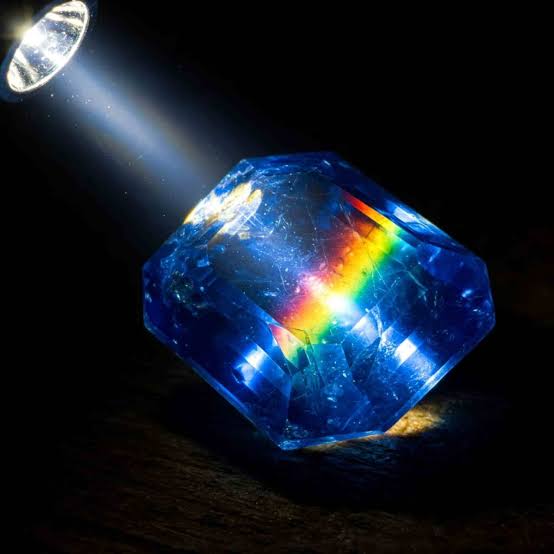
Hold your stone up to a strong light source. Natural gemstones display genuine, deep color variations. When light passes through a real stone, the color should look consistent with the nature of the mineral. If the color looks "painted on," bubbly, or suspiciously uneven at the edges, exercise caution. Natural stones reflect light with a specific brilliance that is very difficult to replicate in lab made materials.
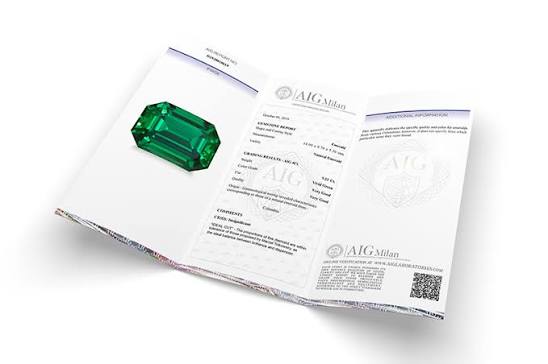
While these home tests are great starting points, the safest way to buy is to always look for verified sources. At Silon Gems, we carefully curate our collection to ensure every piece meets our quality standards. Knowing the origin and authenticity of your gemstone allows you to wear your jewelry with pride and peace of mind.
Final Thoughts
Don't let the fear of synthetic stones keep you from your perfect piece. By understanding what to look for, you can make informed decisions and enjoy the timeless beauty of natural gems. Ready to find a verified treasure? Explore our latest collection at www.silongems.com.